
Blog
Hidden Highlights and Must-Visit Spots in Hanover, Pennsylvania 17331
Hanover’s Heartland: A Rich Tapestry of History, Nature, and Small-Town Charm
Anchored in the rolling farmland of south-central Pennsylvania, Hanover blends industrial legacy with pastoral beauty and neighborly warmth. The surrounding landscape reveals lakeside parks, storied battlefields, family-owned markets, and intimate arts venues that reward unhurried exploration. Stroll a tree-lined street and you’ll hear choruses of birds. Drive a few minutes and you’ll find serene reservoirs or a historic mansion gleaming behind old-growth trees. The area’s spirit feels both grounded and spirited, and it invites curious travelers to explore, linger, and learn.
Exploring Codorus State Park and Lake Marburg
Codorus State Park unfurls across meadows and wooded coves, channeling a tranquil energy that restores the mind. Lake Marburg, encircled by gently sloping hills, serves as the park’s shimmering focal point. Early mornings here are hushed and reflective; evenings feel cinematic as sunlight gilds the water. Trails weave through forests that change character with the seasons, rewarding visitors with varied terrain, wildflowers, and sightings of herons or osprey. The shoreline’s inlets provide moments of solitude, ideal for sketching, journaling, or simply breathing in the pine-scented air. Families gravitate to picnic groves, while photographers find vantage points with moody light, rippling reflections, and cloudscapes that look almost painterly.
Local Flavor: Markets, Makers, and Small-Town Streets
Hanover’s everyday rhythm shines in its markets and main streets. The Markets at Hanover gathers purveyors who celebrate regional produce, breads, and comfort fare, fostering conversations across counters and aisles. Downtown, independent shops showcase hand-thrown ceramics, artisan confections, and home goods that are practical yet artful. Seasonal events animate the sidewalks with live music and lawn chairs set out in neighborly fashion. These scenes reveal a community that prizes connection over spectacle, and authenticity over gloss. The town’s culinary scene is pleasantly eclectic, balancing classic diners with contemporary kitchens that nod to Pennsylvania Dutch heritage and modern palate preferences.
Heritage and House Museums: Stories Behind the Brickwork
History here is not confined to plaques; it lingers in woodwork, staircases, and parlor windows. The Warehime–Myers Mansion, preserved with care, offers a portal into the area’s elegant past. Period rooms trace changing tastes, decorative arts, and social customs, while the exterior hints at the grandeur preferred by early industrial benefactors. Nearby, the Hanover Area Historical Society keeps local memory vivid with rotating exhibits that examine crafts, civic life, and family narratives. Such sites highlight the connective tissue between personal stories and broader regional shifts, showing how ambition, migration, and craftsmanship shaped the town’s identity.
Outdoor Playgrounds and Family Fun
For multigenerational outings, the region abounds with lively stops. Hickory Falls Family Entertainment beckons with its playful atmosphere, making it an easy go-to for celebratory afternoons or rainy-day diversions. Parks such as Plum Creek Community Park offer ballfields, walking paths, and playgrounds that hum with laughter. On milder days, the Hanover Trolley Trail calls to joggers and cyclists, threading through green corridors where songbirds stitch melody into the canopy. The variety of outdoor options ensures that every age, interest, and energy level finds a comfortable fit, whether it’s an amble beside a creek or a spirited round of mini golf.
Art, Performance, and Library Gems
Creative energy flows through local galleries and performance halls. The Eichelberger Performing Arts Center stages concerts and theatrical productions in a dignified venue where acoustics flatter the human voice. Rotating art exhibits pop up in studios and small galleries, spotlighting regional painters, fiber artists, and photographers. The Guthrie Memorial Library stands as both a cultural anchor and a peaceful refuge, offering reading nooks, thoughtful programming, and a sense of civic pride. Collectively, these institutions cultivate imagination while providing a steady cadence of events that punctuate the calendar with inspiration.
Agritourism and Countryside Meanders
Drive just beyond town and the land opens into quilted fields, orchards, and dairy pastures. Farm stands brim with seasonal abundance—crisp apples, sweet corn, and jars of preserves that taste like tradition. Hanover Shoe Farms, renowned among equine enthusiasts, introduces visitors to the grace and power of standardbred horses. While the daily rhythms there are practical and focused, the broader experience feels pastoral and meditative. Country roads lead to quiet hamlets, timeworn barns, and roadside bakeries where cinnamon and butter perfume the air. Slow travel suits this terrain, as each turn can reveal a new backroad treasure.
Civil War Landscapes and Reflective Grounds
Within easy reach, the hallowed fields around Gettysburg present an outdoor classroom of consequence. Rolling ridgelines, stone walls, and silent farms offer space to reflect on choices that reshaped the nation. While the battlefield’s significance is widely known, lesser-traveled lanes and farm lanes deliver quieter vantage points. These scenes pair gravity with beauty, asking visitors to hold both truths at once. The result is a contemplative journey that deepens understanding of the region’s enduring legacy.
Quick Picks Around Hanover
- Codorus State Park and Lake Marburg
- The Markets at Hanover
- Warehime–Myers Mansion
- Hanover Area Historical Society exhibits
- Eichelberger Performing Arts Center
- Guthrie Memorial Library
- Hickory Falls Family Entertainment
- Plum Creek Community Park
- Hanover Trolley Trail
- Hanover Shoe Farms
- New Oxford antiques district
- Lincoln Speedway
Deeper Context: Antiques, Speedways, and Trails
Antique lovers will appreciate nearby New Oxford, where curated showrooms assemble furniture, heirloom textiles, and decorative curios that whisper of earlier eras. The experience is less about bargain hunting and more about the narrative embedded in patina, dovetail joints, and hand-painted details. In a different key, Lincoln Speedway brings adrenaline to the fore with roaring engines and energized crowds. The spectacle contrasts pleasingly with Hanover’s calmer corners, illustrating the breadth of regional recreation. For those seeking daylong rambles, the Hanover Trolley Trail connects green spaces and neighborhoods, turning a simple walk or ride into a journey framed by history and hardwoods.
Practical Tips for a Rewarding Visit
Parking is typically straightforward outside peak event times, and many sites are within a short drive of one another. Early mornings deliver solitude at lakes and trails, while late afternoons cast a warm glow on brick storefronts and porches. Pack layers in shoulder seasons; weather swings can be swift in open countryside. Most of all, bring curiosity. Hanover rewards the inquisitive with layered stories, neighborly exchange, and landscapes that feel both intimate and expansive.
Conclusion: A Place to Return To
Hanover, Pennsylvania, holds fast to its roots while welcoming new ideas, makers, and memories. Stately homes, enlivened markets, serene water, and thoughtful cultural venues make exploration feel effortlessly rich. Spend a day, and you’ll sketch the outlines. Stay longer, and the details sharpen—the friendly greeting from a vendor, the hush of a lakeside trail, the amber light on a mural downtown. It’s the kind of place that invites return visits, each one revealing a fresh facet of its character.

Hidden Highlights and Must-Visit Landmarks Around Hanover, Pennsylvania 17331

Hanover, Pennsylvania 17331 sits at a crossroads of pastoral countryside and storied streets. Downtown radiates a dignified charm, with brick facades, ornate cornices, and intersections that whisper of bygone eras. The district rewards wandering. Step along blocks where independent shops, galleries, and cafes mingle with civic buildings and restored residences. The texture of the townscape—molded brick, hand-planed wood, ironwork—reflects careful stewardship. It’s an environment that invites a slow pace. Pause to admire architectural flourishes, then slip into a local gallery for conversation with artists who translate the region’s fields and forests onto canvas.
Local Museums and Heritage Sites
The town’s heritage unfolds across a cluster of thoughtfully curated spaces. Mansions-turned-museums and preserved homes detail the area’s metamorphosis from mill town to manufacturing hub. Rooms furnished with period pieces and gardens landscaped in traditional styles illuminate how craftsmanship shaped daily life. Nearby, a history museum offers rotating exhibits that delve into community memory—manufacturing innovations, agricultural traditions, and pivotal moments that mapped Hanover’s identity. Together, these venues form an interpretive corridor that rewards curiosity and rewards repeat visits with new discoveries.
- Warehime-Myers Mansion
- The Neas House
- Hanover Area History Museum
- New Oxford antiques district
- Conewago Chapel and surrounding heritage sites
Lakes, Parks, and Quiet Nature
Just beyond the town grid, placid water and wooded margins create an easy escape. Trails loop through thickets scented with pine and wildflowers, while shorelines lure anglers and photographers with shifting patterns of light. At Long Arm Reservoir, waterfowl skim the surface in the early hours, and the embankments turn to molten tones at dusk. Codorus State Park, a short drive from the center, weaves together lake vistas, meadows, and evergreen pockets that feel almost cathedral-like. These spaces anchor a restorative rhythm—morning paths, midday picnics, late-afternoon sky shows—and they change character with the seasons, keeping adventures perpetually fresh.
- Codorus State Park and Lake Marburg
- Long Arm Reservoir
- Hickory Park and Penn Township Community Park
- Kettle View scenic pull-offs
- Trails threading the Hanover Trolley Trail corridor
Flavor, Craft, and Culinary Character
Hanover’s table is abundant and unpretentious. Markets brim with local produce, artisanal cheeses, and breads with a crackling crust that gives way to tender crumb. Food halls and tasting rooms showcase regional makers whose pride is audible in every conversation across a counter. Snack heritage runs deep here. You can trace it from factory-adjacent shops with crisp, savory wares to micro-batch purveyors experimenting with bold seasonings. The dining scene blends tradition and ingenuity, offering comfort one moment and bright, unexpected combinations the next. It’s a collage of flavors that reflects farmland proximity and entrepreneurial verve.
- The Markets at Hanover
- Utz retail shop and visitor-friendly displays
- Snyder’s of Hanover outlet experiences
- Farm stands on the roads to McSherrystown and Littlestown
- Craft taprooms and dessert boutiques across the borough
Artistic Threads and Community Culture
Art thrives in intimate venues and lively gatherings. You might find a chamber performance in a repurposed hall, or an open-studio afternoon punctuated by the aroma of coffee from the next block. Vintage emporiums—equal parts museum and marketplace—present a tactile archive where enamel signs, cherry sideboards, and hand-thrown pottery capture distinct eras. Festivals enliven the calendar with music, local fare, and rotating installations that transform familiar streets into vibrant commons. Each event layers texture onto a cultural tapestry that is rich without pretension.
- Golden Lane Art & Antique Gallery
- Pop-up maker markets downtown
- Small theaters and live-music nooks
- Seasonal street fairs and lantern-lit evenings
- Public art tucked near alleyways and courtyards
Rail Trails, Scenic Byways, and Nearby Forays
The region’s rail corridors have evolved into green ribbons for cyclists and walkers. The Heritage Rail Trail County Park and the Hanover Trolley Trail segment offer gentle gradients and pastoral outlooks—barns fading into the horizon, songbirds threading canopies overhead. Farther afield, the roads toward New Oxford and beyond roll past orchards and clapboard farmhouses, rewarding unhurried drives. For a deeper dive into American history, the battle-scarred ridges and solemn fields near Gettysburg lie within convenient reach, inviting reflection and context after an afternoon in Hanover’s convivial downtown.
- Heritage Rail Trail County Park
- Hanover Trolley Trail
- Scenic drives toward New Oxford and Littlestown
- Rural lanes flanking codified farmland
- Day-trips to the Gettysburg area
Family-Friendly Corners and Easy Outings
Hanover’s approachable scale makes it ideal for family explorations. Parks with broad lawns and shaded pavilions set the stage for picnics and impromptu games. Entertainment centers deliver rainy-day fun, while libraries and community spaces schedule hands-on workshops that nurture curiosity. Confectioners provide sweet rewards for well-behaved companions, and casual eateries offer menus that please every palate. The walkability of the borough reduces logistics to a pleasant stroll, punctuated with stops where a simple cookie or a whimsical bookmark becomes a souvenir.
- Hickory Falls Family Entertainment
- Local libraries with children’s programming
- Neighborhood playgrounds near residential blocks
- Ice cream counters and chocolate shops
- Pocket parks ideal for story time
Deeper Insights: How to Navigate and Savor
Start in the historic district and branch outward in concentric circles. Mornings suit museums and galleries when light is soft and crowds thin. Midday is perfect for markets and casual tastings. Reserve afternoons for parks and trails, when breezes lift and shadows lengthen. Mix marquee destinations with unexpected detours; they sharpen the sense of place. If time allows, stitch together a theme—architecture one day, lakes and forests the next—so comparisons emerge as you move from streetscape to shoreline. The interplay clarifies Hanover’s character: industrious yet serene, heritage-minded yet forward-looking.
From lake mist at dawn to a lamplit promenade at night, Hanover, Pennsylvania 17331 rewards attentiveness. Its notable places—museums, galleries, markets, trails, and waters—compose a graceful itinerary that feels both curated and wonderfully spontaneous. The result is a journey that lingers: a snapshot of small-town vitality set amid rolling countryside, resilient, welcoming, and rich with texture.
Hidden Gems and Essential Stops in Hanover, Pennsylvania 17331

Hanover, Pennsylvania, tucked into the rolling folds of southern York County, balances industrious heritage with pastoral scenery. The borough’s central streets brim with brick-front facades, steeples, and murals that hint at a storied past. Just beyond downtown, fields soften into low ridgelines and lakes, inviting slow drives and unrushed weekends. In this corner of 17331, daily life interweaves tradition with small-town ingenuity, producing a rewarding circuit of historic homes, artisanal workshops, performing arts, and green corridors.
Historic Core and Cultural Walkabouts
Begin on the sidewalks of downtown, where preserved architecture sets the tone. The Warehime-Myers Mansion presides with stately poise, its grounds evoking an era of carriage steps and careful craftsmanship. Nearby, the Neas House anchors Hanover’s narrative with period rooms curated by local historians. Stroll a few blocks and the Eichelberger Performing Arts Center emerges from a former academy building, now a stage for music, theater, and community gatherings. Murals illustrate local milestones along alleyways, guiding visitors past bakeries, vintage shops, and the unexpected—a specialty candy counter tucked beneath pressed-tin ceilings. This is a district made for meandering, where each storefront offers a glimpse of the town’s evolving identity.
Parks, Lakes, and Quiet Greenways
Water and woods define the outskirts. Codorus State Park, with its expansive lake and rambling trails, becomes an easy refuge. Dawn paddlers skim across inlets. Anglers study the subtle riffle near a submerged stump. Birders point toward osprey rides on summer thermals. Not far from the park’s broader reaches, the Hanover Trolley Trail and segments of the Heritage Rail Trail knit together old right-of-ways, encouraging leisurely cycling and long, restorative walks. Penn Township Community Park provides a more compact green pause—pavilions, sports fields, and an uncomplicated loop for after-dinner ambles. On a breeze-kissed evening, the treeline hushes the edges of town.
Arts, Artisans, and Local Flavor
Hanover’s making-and-doing spirit remains palpable. Regional makers populate studios and storefronts, from ceramicists firing small-batch stoneware to letterpress artisans who create cards with handsome serif type. Foodways have their own lineage here. Hanover’s snack tradition needs no introduction; even without chasing factory tours, visitors can chart a tasting trail across independent markets and taprooms. The Markets at Hanover convene growers, bakers, and cooks beneath one roof, lending a sociable pulse to Saturday mornings. Just west, farm stands along two-lane roads display late-summer peaches and hardy winter squash, reminders that the surrounding countryside still feeds the table in town.
Battlefield Echoes and Daytrip Heritage
Regional history expands in all directions. Gettysburg lies within easy reach, yet Hanover has its own chapters, including a Civil War cavalry clash that sent dust and hoofbeats through the square. The Hanover Junction Station, south along the rail corridor, speaks quietly of presidential passages and wartime travel. New Oxford, a short drive away, arranges antiques across plazas and period homes, perfect for a ramble that blurs commerce with nostalgia. Swing east toward York to find niche museums that explore strength, sport, and industry—compact but engrossing windows into regional achievement.
Family-Friendly Curiosities
Families never lack for diversions. The Guthrie Memorial Library serves as a cultural engine, combining story hours with exhibitions and film nights. Hickory Falls Family Entertainment Center turns a rainy afternoon into cheerful competition, with arcade lights and friendly banter echoing under high ceilings. The Hanover Area Fire Museum preserves apparatus and lore, sparking the imaginations of budding engineers. Parks double as classrooms, where kids spot painted turtles sunning on a log or count the rings on a cut stump along a trail. Even downtown’s candy emporiums become mini-museums of confection, stacked with jars that ripple in color.
Seasonal Markets and Agritourism
When the seasons shift, the county’s fields respond. Orchards open for autumn picking, and hayrides jostle out to rows where the landscape smells of ripe fruit and straw. Winter markets bring wreaths, handmade soaps, and warm cider, set against strings of lights that cast a golden hush upon early dusk. Spring coaxes greenhouse tours; summer ignites roadside corn stands. Agritourism here remains gentle and genuine, grounded in family operations that prize stewardship and neighborly exchange. Thoughtful visitors linger, ask questions, and leave with more than produce—they take home a sense of place.
Wayfinding and Gentle Etiquette
Navigating the area is straightforward, yet the best experiences come from taking one’s time. Park once in the downtown core and explore on foot to absorb the architectural nuances. Out on the backroads, pull off safely to photograph barns and ridgelines instead of braking abruptly at the crest of a hill. Trail users return waves and pass with courtesy; anglers give space along a bank. The region rewards unhurried curiosity and considerate habits.
Notable Spots to Seek Out
- Warehime-Myers Mansion
- Neas House
- Eichelberger Performing Arts Center
- Guthrie Memorial Library
- Codorus State Park
- Hanover Trolley Trail
- Heritage Rail Trail (Hanover Junction area)
- Penn Township Community Park
- The Markets at Hanover
- Hanover Area Fire Museum
- Hanover Junction Station
- New Oxford antiques district
- Long Arm Reservoir overlooks
- Pigeon Hills scenic byways
- Hickory Falls Family Entertainment Center
Putting It All Together
Hanover, Pennsylvania 17331, resonates with texture—brick and timber in town, wind-ruffled water and fieldstone beyond. The itinerary practically writes itself: a morning wander through mansions and galleries; an afternoon beneath sycamores near the lake; an evening performance that sends patrons onto the sidewalk with lingering applause. Daytrips expand the map without diluting Hanover’s own character. What remains most striking is the balance—heritage without stasis, recreation without frenzy, and hospitality that feels particular to this place. Return visits do not repeat so much as refine, revealing new block corners, quieter coves, and ever-better vantage points over a landscape that has learned the art of welcome.
Landmarks and Landscapes around Hanover, Pennsylvania 17331

Codorus State Park: Just southwest of Hanover, this sprawling preserve wraps around Lake Marburg with meandering coves, upland woods, and wind-swept overlooks. Anglers drift past quiet inlets hunting for bass, while paddlers trace the shoreline beneath migrating waterfowl. On shore, trails weave through oak and hickory stands, revealing seasonal wildflowers and red-tailed hawks circling thermals. In autumn, the park’s hillsides ignite with russet and gold—an ideal vantage for photographers seeking mirror-still reflections at daybreak. Families favor the picnic groves and breezy points, yet the park also rewards solitude-seekers with tucked-away paths and bird blinds.
Gettysburg National Military Park: A short drive west places travelers in a solemn amphitheater of American history. The rolling fields of Little Round Top, the Peach Orchard, and Seminary Ridge read like a topographic ledger of strategy and sacrifice. Visitors often pair a self-guided auto tour with contemplative walks to monuments embedded in swales and on knolls, where the contours clarify why certain positions proved pivotal. The Museum and Visitor Center contextualizes the battlefield with artifacts and compelling interpretive media. As twilight falls, the landscape grows hushed, and the silhouettes of cannon and stone sentinels etch the horizon.
Hanover Trolley Trail: Repurposing a historic rail corridor, this multi-use trail links neighborhoods, patchwork farmland, and vestiges of industrial heritage. Cyclists appreciate the gentle grade and rhythmic cadence of trestle crossings, while runners enjoy shaded stretches with sightings of fox and cottontail at dawn. Educational markers punctuate the route, inviting detours into stories of regional transit, factory towns, and the goods that once rattled through the corridor. In winter, a dusting of snow lends a curatorial stillness to the trackside hedgerows.
Utz Factory Tour: Hanover’s snack-making lineage is a sensory journey all its own. Through observation corridors, guests watch slicing, frying, seasoning, and packaging proceed with almost metronomic precision. The aroma alone—warm, toasty, savory—charts the process as clearly as any diagram. Beyond novelty, the tour highlights logistics and quality assurance, showing how a local enterprise scaled while retaining a hometown ethos.
The Markets at Hanover: This culinary and artisanal hub convenes butchers, bakers, and purveyors under one roof, where farm-fresh produce abuts small-batch confections and global street fare. Saturday mornings hum with neighbors swapping recipes, musicians tuning up, and kids eyeing the fudge counter. Travelers can assemble a trail-friendly picnic—sharp cheddar, cured meats, and cider—before venturing to lakeside overlooks or battlefield lanes.
Union Mills Homestead: Across the Mason-Dixon in nearby Maryland, this preserved mill complex presents a layered tableau of water-powered industry and early American ingenuity. The overshot wheel, millrace, and timbered interiors illuminate how grain became sustenance and commerce. Interpreters showcase period tools and household artifacts, weaving family narratives into regional trade routes and agricultural cycles.
Golden Lane Art and Antique Gallery: For seekers of patina and provenance, this downtown venue mixes fine art, folk pieces, and Americana. Browsers encounter oil landscapes, Shaker boxes, and whimsical signage, often with a docent ready to elaborate on origin and craft. The gallery complements Hanover’s broader tapestry—manufacturing grit alongside creative expression.

Landmarks and Landscapes around Hanover, Pennsylvania 17331
• Codorus State Park and Lake Marburg: Just southwest of Hanover, Lake Marburg’s 26 miles of shoreline ripple with wind-carved patterns and the flash of waterfowl wings. Anglers favor the coves for bass and walleye, while paddlers trace quiet routes along hemlock-shaded banks. Hikers step onto Mary Ann Furnace Trail, where interpretive signs reveal iron-making heritage that once fueled the region’s growth. In late afternoon, the lake’s coppery light draws photographers to capture mirrored skies, and in winter, migrating loons and tundra swans make this basin a seasonal spectacle.
• Hanover’s Center Square and Historic District: The axis of Broadway and Carlisle Street forms a civic salon, where 19th-century facades frame modern storefronts. Walk the brick sidewalks and you’ll pass cast-iron details, painted cornices, and the faint imprint of trolley-era tracks in civic memory. Cafés spill onto the street with small-town conviviality, while murals nod to the borough’s industrial lineage—snacks, shoes, and stitched goods that once rolled from mills and factories to railcars headed for Baltimore and beyond.
• Utz Snacks Factory Tour: Crisp aromas drift through the north end of town, where visitors watch conveyors carry potato slices from kettle to cooling tunnel. Observation windows let families witness a choreography of seasoning drums and quality checks, an edible case study in Pennsylvania manufacturing. The gift shop’s shelves read like a flavor atlas, and guides weave in the company’s local roots, explaining how Hanover’s workforce and rail connections helped a humble chip become a household staple.
• The Markets at Hanover: Under high rafters, you can hear the hum of conversation as vendors lay out regional produce, smoked meats, and baked goods. The food court becomes a crossroads for lunchtime crowds, and weekend evenings bring live music that pairs well with small-batch cider. Craftspeople sell turned-wood bowls, leather goods, and farmhouse décor—a reminder that south-central Pennsylvania’s artistry thrives alongside agriculture.
• Long Arm Reservoir and Parkland: East of town, the reservoir gathers morning mist that dissolves as runners and cyclists circle shaded lanes. Anglers slip jon boats into coves where herons spear minnows, while birders scan for osprey riding thermals above sycamore crowns. On quiet weekdays, the only sounds are the slosh of paddle strokes and the low chatter of songbirds, offering a restorative counterpoint to Hanover’s busy corridors.
• Hanover Trolley Trail and Hanover Junction: The crushed-limestone path traces a rail bed once alive with clanging bells and wooden benches. Today, it rolls gently past hedgerows and farm fields, linking neighborhoods to parks and, farther along, to the storied Hanover Junction. There, Civil War-era rail history intersects with modern recreation, and interpretive panels place travelers in the footsteps of soldiers and statesmen who passed through on iron rails.
• Gettysburg National Military Park: A short drive west, the park’s undulating farmland becomes a classroom without walls. Climb Little Round Top for a battlefield panorama stitched with stone fences and witness trees, or stand at The Angle and let licensed guides unpack tactics that reshaped a nation. The cyclorama at the Visitor Center surrounds viewers with thunderous cannon and swirling smoke, while auto tour stops lead to quiet ridges where the only drumbeat is wind in the grass.
• Sachs Covered Bridge: On a back road south of Gettysburg, this lattice-truss span frames Marsh Creek with ruby-hued timbers and shoals of reflected light. Sunset hikers linger here, listening to water curl under the deck planks and watching photographers angle for that perfect symmetry—rustic geometry flanked by cattails and sycamores. Its preserved timbers speak to regional craftsmanship and the endurance of well-made structures.
• Conewago Chapel (Basilica of the Sacred Heart of Jesus): North of Hanover, fieldstone walls rise above pastoral lanes, a testament to 18th-century faith and masonry. Inside, gilded altars and ribbed vaults glow in morning light, and the grounds invite unhurried walks beneath venerable trees. It’s a contemplative stop that pairs well with a day of exploration across boroughs and battlefield.
Notable Places to Find and Pick Around Hanover, Pennsylvania 17331
HANOVER’S LANDSCAPE OF DISCOVERY
The landscape surrounding Hanover, Pennsylvania 17331 invites curiosity. Country roads wind toward reservoirs and orchards. Brick-lined streets converge at historic squares. One moment feels pastoral; the next, unexpectedly urbane. This is a place built on craft, agriculture, and small-town grit, with gems scattered throughout the map for those willing to wander. From lakeside trails to heritage corridors, the area rewards a keen eye and an easy pace.
HERITAGE AND ARCHITECTURE: STORIES IN BRICK AND STONE
Downtown Hanover preserves a dignified architectural tableau, where the Warehime-Myers Mansion anchors a quieter quadrant with its refined details and stately proportions. Its surrounding lawns whisper of garden parties and civic gatherings from another time. Nearby streets display a blend of Victorian facades and early Main Street storefronts, creating a walkable gallery of past craftsmanship. Civil War Trails markers thread through the townscape, guiding visitors to pivotal sites related to the Battle of Hanover. Rather than standing apart, these markers feel integrated—small interpretive stops layered into daily life, with murals and plaques enriching corners that might otherwise be overlooked.
To the east, the Conewago Chapel, officially the Basilica of the Sacred Heart of Jesus in McSherrystown, maintains a serene profile. Its brickwork carries an aura of endurance, and the grounds evoke a sense of rootedness, calm, and continuity. The experience is contemplative. Even brief visits linger with memory.
NATURAL RETREATS: WATER, WOODLAND, AND OPEN SKY
Southwest of the town center, Codorus State Park and the shimmering expanse of Long Arm Reservoir define the area’s outdoor heartbeat. Boat launches, shorelines, and trailheads converge for daylong excursions. Sunlight lifts across inlets. Anglers map quiet coves while hikers trace rolling hillsides lined with oak and pine. Birders often speak of the park in reverent tones; its mix of water and woodland attracts a diverse cast of seasonal visitors on the wing. The Pigeon Hills rise and fall nearby, adding drama to country drives and sunset outlooks. In spring and autumn, the palette intensifies—rust, gold, and evergreen in cinematic swaths.
FAMILY-FRIENDLY INTERLUDES AND LEISURE
Just when the countryside seems to fully overtake town, leisure options pop into view. Hickory Falls Family Entertainment Center offers a change of tempo for multi-generational outings. The Markets at Hanover draw weekend crowds with aromas of spices, fresh-baked breads, and artisanal treats. Stalls bristle with color and provenance: jars of preserves, heirloom vegetables, and cheeses that tell a story of local pastures. The shopping experience is tactical and convivial—half browsing, half conversation. For a complementary afternoon, Golden Lane Art and Antique Gallery in nearby New Oxford tempts collectors and casual browsers alike, with aisles that unfold like time capsules.
TASTES, TRADITIONS, AND LOCAL FLAVOR
Hanover’s legacy in snacks is famous, and you can still trace that heritage through factory outlet stores and modest museum-style displays that illuminate techniques and traditions. Pretzel-making has long had a foothold here, and the aroma of baking mingles with the crackle of packed goods at various retail points. Foodways run deeper than crunch and salt, though. The agricultural belt around the borough nurtures orchards and farm stands that punctuate late summer and fall with harvest abundance. The Markets at Hanover make an ideal launching point for a regional tasting itinerary. Bring a cooler, a curious appetite, and time.
CULTURE AND THE PERFORMING ARTS
Beyond galleries and heritage walks, the Eichelberger Performing Arts Center holds court in a landmark building that radiates cultural vitality. Its calendar ranges widely—music, theater, talks—drawing audiences who prefer an intimate ambiance and strong acoustics. The building itself is an attraction, an architectural anchor that underscores the town’s commitment to the arts. Nearby, the Guthrie Memorial Library enhances civic life with author events, community programming, and an extensive local history collection. Taken together, these institutions form a backbone for ongoing creative engagement.
RAIL TRAILS, CYCLING, AND SLOW TRAVEL
The York County Heritage Rail Trail extends a gracious invitation to cyclists, walkers, and runners. Its surface feels forgiving yet purposeful, linking boroughs, old depots, and shaded stretches that follow the cadence of a bygone railroad. Branching off, the Hanover Trolley Trail reimagines former transit corridors as greenways, great for family rides or meditative strolls. Wayfinding is intuitive. Pauses come naturally: a bench under sycamores, a café near a crossroad, a snapshot at an old rail marker. Slow travel suits this place; the landscape opens when the pace relents.
CURATED PICKS TO EXPLORE
- Codorus State Park and Long Arm Reservoir for kayaking, shoreline walks, and birdwatching at dawn.
- The Warehime-Myers Mansion for architectural elegance and a lens on local heritage.
- Civil War Trails markers across downtown Hanover for thoughtfully scaled historic interpretation.
- The Markets at Hanover for regional foods, seasonal produce, and community energy.
- Eichelberger Performing Arts Center for performances in a storied venue.
- Conewago Chapel (Basilica of the Sacred Heart) in McSherrystown for quiet reflection.
- Hickory Falls Family Entertainment Center for group-friendly recreation.
- Golden Lane Art and Antique Gallery in nearby New Oxford for treasure hunting and design inspiration.
- York County Heritage Rail Trail and the Hanover Trolley Trail for gentle cycling and scenic pauses.
- Local snack heritage stops, including factory outlet stores, for a flavorful slice of Hanover tradition.
DAY TRIPS AND NEARBY DISCOVERIES
Hanover’s location enables effortless forays to nearby boroughs and countryside hamlets. New Oxford’s square brims with antiques and Americana. Littlestown’s storefronts yield under-the-radar cafés and family-run shops. The covered bridges of Adams County, including a particularly photogenic example near Gettysburg, set a nostalgic tone for leisurely photo expeditions. To the south, the Union Mills Homestead in Maryland offers a compelling estate walk with millrace views and gardens that change character with the seasons. None of these require urgency. They are best savored with time to meander.
INSIDER RHYTHMS: WHEN AND HOW TO GO
Mornings tend to be gentle, especially along lakes and rail trails. By mid-afternoon, markets hum, galleries feel lively, and indoor venues welcome a change from the sun. On temperate evenings, downtown sidewalks gather conversation and clinking glasses as façades catch the last light. Parking near the squares is straightforward, though weekends can be active. Good walking shoes help—brick, cobble, trail dust, and polished floors may all appear in the same day.
CONCLUSION: A MAP OF MANY SMALL DELIGHTS
The area in and around Hanover, Pennsylvania 17331 rewards thoughtful exploration. Rather than one marquee attraction, it offers a constellation of experiences—heritage homes, placid water, gardens, galleries, performance halls, and rails-to-trails greenways—that add up to a compelling whole. Choose a handful of stops, build in time for serendipity, and let the town’s blended character lead the way. The result is a day, or several, stitched with memorable, nuanced scenes: the hush of chapel interiors, the chatter of a market aisle, the sweep of reservoir light, and the quiet satisfaction of discovering something just off the main road.

Hidden Highlights and Must-Visit Spots Near Hanover, Pennsylvania 17331
Discoveries Around Town
Hanover, Pennsylvania 17331 anchors a corridor of heritage, landscape, and understated charm. Tucked between rolling farmlands and storied crossroads, the area rewards unhurried exploration. Downtown reveals 19th-century streetscapes and a lively arts undercurrent, while the countryside shelters serene lakes, historic farms, and venerable ironworks. Move slowly. Let the details accumulate. The result is a fuller portrait of a place that balances tradition with quiet reinvention.
Historic Foundations: Mansions, Mills, and Markers
The town’s past presents itself in layered textures. Step into the Warehime–Myers Mansion, a stately home that captures Hanover’s turn-of-the-century elegance through ornate interiors and preserved craftsmanship. The Neas House, with its earlier architecture, illuminates domestic life in an age of hand-hewn beams and pragmatic design. Both sites deepen understanding of how local enterprise and family legacies shaped the borough’s built environment.
Travel a short distance to Hanover Junction, where a restored station ties the region to Civil War-era narratives and the evolution of rail travel. Continue south to Union Mills Homestead, just across the state line, to witness an early industrial complex centered on a grist mill and farmhouse ensemble. History here feels tactile—timbers, stone, and waterwheels testify to endurance. Nearby, the Basilica of the Sacred Heart of Jesus at Conewago rises with remarkable gravitas, its fieldstone walls telling a centuries-long story of community and faith.
Waters and Woodlands: The Outdoors in Full Relief
Landscape takes center stage at Codorus State Park. Lake Marburg’s broad expanse collects sky and wind, changing character with the hour. At dawn, waterfowl skim across the glassy surface; by afternoon, the coves invite kayak paddles to trace quiet arcs. Wooded trails thread through undulating terrain, ideal for contemplative hikes or brisk exercise. Listen for thrushes. Note the sweetgum leaves rattling in a breeze.
Long Arm Reservoir, more subdued and contemplative, rewards those who favor solitude and textured shorelines. Conewago Creek meanders nearby, offering launch points for gentle paddling and pastoral views. These waterways stitch together ecosystems and small-town life, with farmland edges meeting oak stands and hedgerows alive with finches.
Arts, Curiosities, and Craft
Culture buzzes at a modest hum that feels authentic. The Eichelberger Performing Arts Center hosts regional productions and visiting ensembles within an elegant auditorium, reviving an era when civic venues served as cultural lodestars. The Hanover Area Historical Society curates rotating exhibits that bridge archival rigor and neighborhood storytelling.
Local flavor carries a distinct signature. The Markets at Hanover showcase growers, bakers, and specialty purveyors under one roof. It’s a superb spot to grab a seasonal pastry or pick up a jar of small-batch preserves, then chat with a vendor who knows each orchard row by heart. Farther afield, New Oxford’s antique shops and Golden Lane Art & Antique Gallery make for daylong treasure-hunting and conversations about provenance and craft.
Highlights to Put on Your Shortlist
- Codorus State Park and Lake Marburg
- Warehime–Myers Mansion
- Neas House and garden plot
- Hanover Junction rail station
- Eichelberger Performing Arts Center
- The Markets at Hanover
- Hanover Trolley Trail
- Long Arm Reservoir
- Conewago Creek access points
- Basilica of the Sacred Heart of Jesus (Conewago)
- Hanover Shoe Farms viewing areas
- Penn Township Community Park
- P. Joseph Raab County Park
- New Oxford antiques corridor
- Union Mills Homestead
Trails, Byways, and Quiet Corners
The Hanover Trolley Trail converts historic right-of-way into a contiguous path suited for walkers and cyclists. Shade dapples the route, and at times the corridor opens into farmland panoramas. It’s easy to imagine the rattle of a bygone streetcar as you pass hedgerows and creek crossings. For a different cadence, P. Joseph Raab County Park combines woodland trails with vestiges of iron mining, where interpretive signs unpack geology and early enterprise.
Country roads reward detours. Follow lanes past corn tassels and brick farmhouses toward Abbottstown’s stately circle, or drift west to Littlestown’s intimate main street. Each small town adds a verse—porches, cupolas, church spires—forming a regional chorale.
Family-Friendly Diversions and Leisure
Families gravitate to Penn Township Community Park, where pavilions, play spaces, and walking loops make for an easy afternoon. When the weather leans capricious, Hickory Falls Family Entertainment (just beyond the borough) keeps everyone engaged with indoor amusements. Golfers find manicured fairways at South Hills Golf Club, rolling out across gentle elevations and wind-touched knolls.
Animal enthusiasts will appreciate the storied legacy of Hanover Shoe Farms, known for Standardbred bloodlines. While this is a working operation, select vantage points along public roads allow respectful viewing of broad pastures—and the occasional glimpse of equine grace at a canter.
Foodways, Traditions, and Seasonal Rhythm
Regional identity emerges powerfully through food. Farm stands brim with peaches, apples, and sweet corn in late summer; in autumn, cider presses hum and roadside pumpkins cluster like lanterns. Nearby orchards host pick-your-own days that feel celebratory yet unpretentious. The Markets at Hanover channels this abundance year-round, translating the county’s agrarian backbone into tangible, flavorful encounters.
Seasonal festivals ripple through borough streets and surrounding hamlets. Parades, open-air concerts, and makers’ fairs draw neighbors to mingle in the glow of string lights. Even in winter, window displays lend downtown a cinematic quality, with shopfronts reflecting lamplight onto brick and slate.
Planning Notes and Practical Routes
Set a flexible itinerary. Start downtown with coffee, then walk to the Warehime–Myers Mansion and the Neas House before driving to Codorus State Park for an afternoon on the waterline. Pivot to the Markets at Hanover to sample regional specialties. If time allows, add Hanover Junction or the Basilica at Conewago for historical depth.
Parking in town is straightforward, with public lots near Center Square. Weekdays offer quieter galleries and mansions; weekends amplify trails and markets. Take secondary roads when possible—they reveal the area’s agrarian cadence, from weathered fence rails to distant silo silhouettes.
Final Impressions
Hanover, Pennsylvania 17331 rewards curiosity. History isn’t sequestered; it lives in brickwork, in timber grain, and in the gentle geometry of fields. The landscape stretches wide, yet the details are intimate—wingbeats over a lake, steam curling from a bakery, the hush of a trail at dusk. Wander, linger, and let the region disclose its subtleties one scene at a time.
Timeless Trails and Battlefield Echoes Around Gettysburg, Pennsylvania 17325
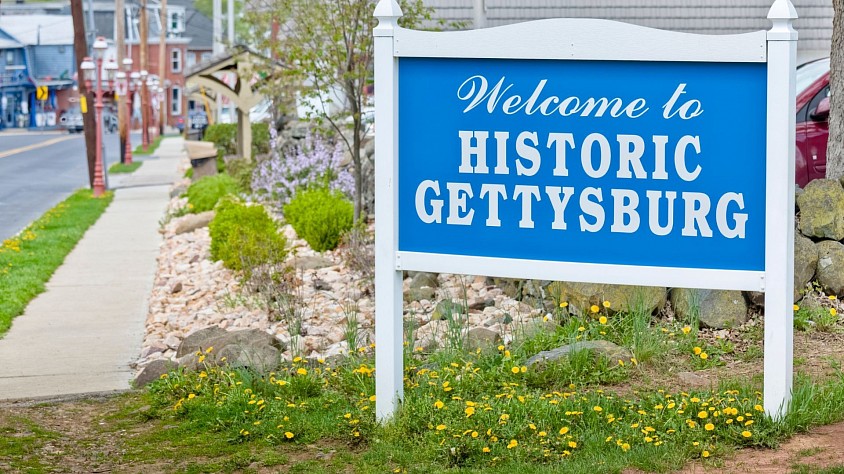
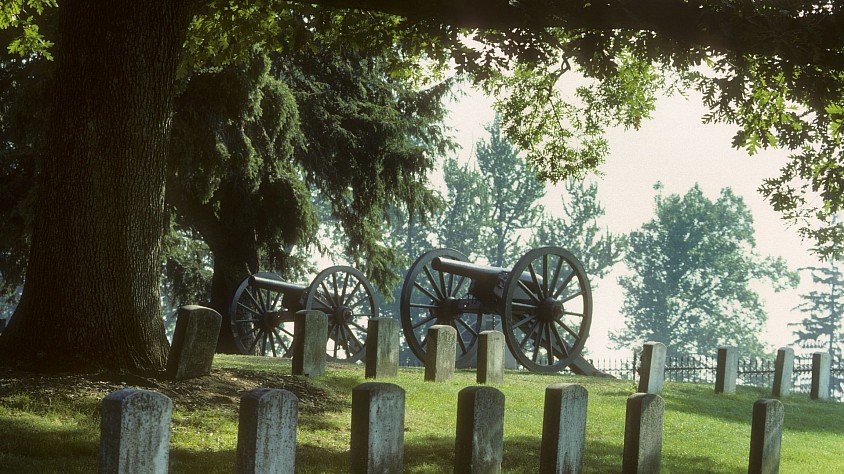
Gettysburg, Pennsylvania, stands as a profound intersection of American history and natural beauty, where rolling fields, stone walls, and preserved trails whisper stories of resilience and remembrance. This guide invites travelers to explore the timeless trails that weave through the battlefield and surrounding countryside, offering contemplative journeys that blend solemn reflection with scenic discovery in the heart of Adams County.
The Allure of Historic Trails
The battlefield’s network of trails transforms visitors into active participants in history, guiding them along paths once tread by soldiers and civilians alike. These routes wind through meadows and woodlands, past cannon emplacements and regimental markers, where every step reveals layers of strategy shaped by the land’s natural contours. Early morning hikes on trails like those around Little Round Top reward explorers with dew-kissed grasses and soft light filtering through oak canopies, while interpretive signs provide context without overshadowing the quiet majesty of the site. Cyclists and walkers alike find these pathways accessible yet immersive, encouraging pauses to absorb the vastness of the fields that witnessed pivotal moments. The trails connect disparate sites seamlessly, fostering a deeper appreciation for how topography influenced outcomes and how preservation efforts maintain their integrity for future generations.
Ridges and Vistas of Remembrance
Ridges such as Cemetery Ridge and Seminary Ridge offer commanding views that underscore the battlefield’s strategic importance and enduring emotional weight. Ascending these elevations reveals sweeping panoramas of open fields dotted with monuments, where the interplay of light and shadow animates the landscape throughout the day. Hikers following ridge-top trails encounter stone walls and fences that have stood for over a century, serving as tangible links to the past while framing vistas that stretch toward distant orchards and farms. The experience deepens during transitional hours, when mist lingers in low areas or golden sunlight highlights bronze statues, creating photographic opportunities and moments of personal reflection. These high grounds invite contemplation of sacrifice and survival, blending natural splendor with historical gravity in a way that resonates long after departure.
Connecting to Countryside Pathways
Beyond the core battlefield, trails extend into Adams County’s pastoral landscapes, linking historic sites with working farms and orchards that define the region’s rural character. Paths along farm lanes and creek sides reveal hand-hewn barns, apple groves in seasonal bloom, and waterways that meander through verdant valleys, providing a counterpoint to the battlefield’s intensity. These routes encourage unhurried exploration, where one might spot wildlife or chat with locals tending crops, highlighting the area’s ongoing vitality. Well-marked and varied in difficulty, the trails accommodate families, history enthusiasts, and nature lovers, weaving a narrative of continuity between past conflicts and present-day serenity. Seasonal changes—spring wildflowers, autumn harvests, or winter silhouettes—add fresh dimensions to each outing.
Echoes Along Monumental Routes
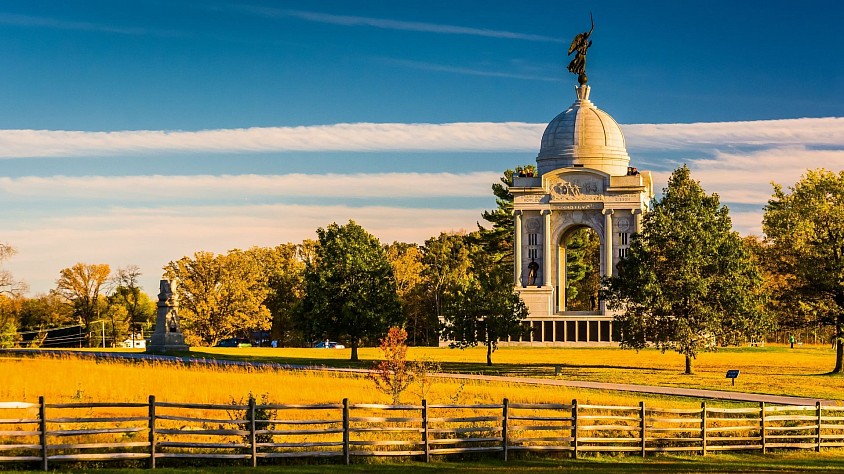
Monuments and markers lining the trails serve as silent narrators, commemorating regiments, leaders, and ordinary citizens whose stories echo through the preserved terrain. Following these routes brings travelers face-to-face with detailed inscriptions and sculptures that personalize the broader conflict, transforming abstract history into intimate encounters. Shaded avenues and open fields allow for reading plaques at leisure, often accompanied by birdsong or the rustle of leaves, enhancing the sensory connection to place. Guided or self-paced, these paths highlight themes of courage and reconciliation, with newer additions ensuring accessibility and inclusivity. The cumulative effect is a profound sense of place, where the land itself becomes a living archive.
Practical Tips for Trail Explorers
Preparing for Gettysburg’s trails enhances safety and enjoyment, with recommendations including sturdy footwear, water, and a map or app for navigation across the expansive network. Weather can shift quickly on exposed ridges, so checking forecasts and layering clothing proves wise, while sunrise or sunset visits minimize crowds and maximize atmospheric beauty. Parking at visitor centers or trailheads facilitates seamless starts, and combining hikes with nearby museums provides balanced itineraries. Respectful practices, such as staying on paths and honoring quiet zones, preserve the site’s sanctity for all. These considerations ensure memorable, responsible adventures that honor the landscape’s dual role as classroom and sanctuary.
Reflections on Enduring Legacy
The trails of Gettysburg encapsulate a legacy where memory and nature intertwine, offering pathways not only through physical space but also through time and emotion. Each journey reinforces the importance of stewardship, as ongoing preservation efforts protect these routes for education and inspiration. Visitors depart with renewed perspectives on history’s relevance, carrying impressions of resilience etched by both human endeavor and the land’s quiet persistence. In an ever-changing world, these timeless trails remain anchors of understanding and peace.
Pastoral Pathways and Historic Homesteads Near Hanover, Pennsylvania 17325
Hanover, Pennsylvania, embodies the charm of south-central Pennsylvania with its blend of rolling farmland, historic architecture, and welcoming communities. This exploration of pastoral pathways and homesteads reveals a landscape rich in agricultural heritage, architectural treasures, and serene rural escapes, perfect for those seeking authentic connections to place and past.
Winding Country Lanes and Farm Views
Pastoral pathways around Hanover meander through patchwork fields and orchards, showcasing the fertile soils that sustain local traditions and seasonal rhythms. These lanes, often flanked by hedgerows and weathered barns, invite cyclists and drivers to slow down and absorb vistas of grazing livestock, swaying corn, and apple trees heavy with fruit depending on the time of year. Stops at roadside stands offer fresh produce and conversations with farmers, highlighting the direct ties between land and livelihood. The gentle undulations of the terrain create ever-changing scenery, from sun-dappled groves to open meadows where wildflowers bloom vibrantly in spring and summer. Such routes provide refreshing contrasts to urban life, fostering mindfulness and appreciation for agrarian roots that continue to shape the region’s identity.
Homesteads Preserving Timeless Traditions
Historic homesteads near Hanover stand as testaments to early settlement and domestic life, with preserved structures offering glimpses into 18th- and 19th-century routines. Sites like Union Mills Homestead feature operational mills, period gardens, and living-history demonstrations that animate the daily labors of milling grain and tending hearths. Interiors reveal handcrafted furnishings and artifacts that speak to resourcefulness and community bonds, while surrounding grounds encourage walks along millraces and shaded paths. These homesteads bridge generations, illustrating how families navigated economic and environmental challenges, and serve as educational hubs that connect visitors to broader regional narratives of resilience and innovation.
Architectural Gems in Rural Settings
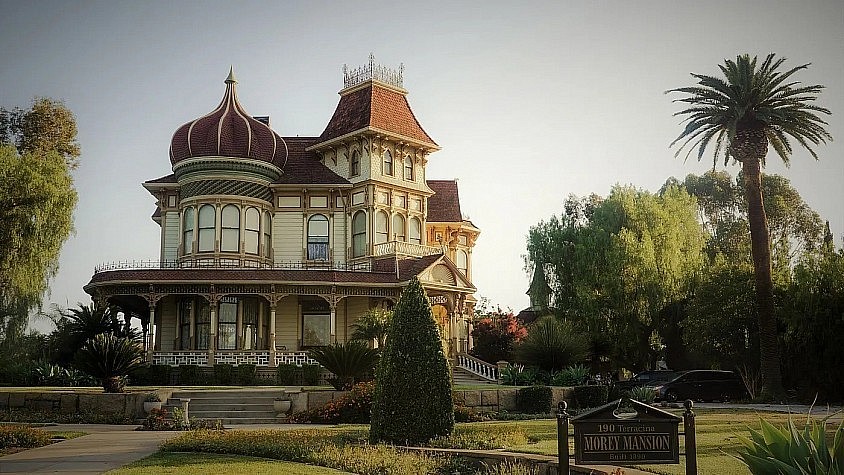
Many homesteads and farmsteads around Hanover display distinctive architectural elements, from sturdy stone foundations to elegant Victorian details in nearby mansions. The Warehime-Myers Mansion, for instance, exemplifies Gilded Age craftsmanship with ornate interiors and manicured grounds that reflect prosperity derived from local industry and agriculture. Pathways leading to these sites wind through mature landscapes, where ancient trees and flower borders enhance the historic ambiance. Exploring these structures reveals evolving building techniques and aesthetic preferences, providing context for how architecture adapted to Pennsylvania’s climate and cultural influences. The settings invite photography and quiet reflection, blending built heritage with natural surroundings.
Trails Linking Homesteads to Nature
Connecting pathways and trails integrate historic homesteads with broader natural areas, such as those near Codorus State Park or the Hanover Trolley Trail. These routes traverse meadows and woodlands, passing by farmsteads that punctuate the countryside like chapters in a living story. Walkers encounter interpretive signs detailing land use over time, while benches offer spots to contemplate the harmony between human settlement and environment. Seasonal variations—autumn foliage framing homestead roofs or spring blossoms along trails—add layers of beauty and discovery. This interconnected network supports multi-generational outings, from family picnics to solo rambles, reinforcing the pastoral character that defines the area.
Community and Cultural Ties
Pastoral pathways and homesteads foster strong community connections, evident in local markets and events that celebrate harvests and heritage. Residents and visitors gather at farm stands or homestead festivals, sharing stories and traditions that sustain cultural vitality. These interactions humanize the landscapes, revealing how families maintain homestead legacies through modern stewardship and tourism. Educational programs at historic sites deepen understanding of topics like sustainable farming and preservation ethics, encouraging active participation in the region’s future. The result is a vibrant tapestry where pathways serve not only as routes but as threads binding people to their shared history.
Planning Your Pastoral Journey
Effective exploration involves practical planning, such as consulting maps for trail conditions and homestead hours, packing essentials for variable weather, and allowing ample time for serendipitous stops. Combining drives with short hikes maximizes variety, while supporting local businesses through farm purchases enriches the experience. Respect for private property and natural habitats ensures these pathways remain welcoming for years to come. Whether a day trip or extended stay, the journey through Hanover’s pastoral realms and historic homesteads leaves lasting impressions of tranquility, heritage, and the enduring appeal of rural Pennsylvania life.
Dawn Over the Ridges: Sunrise Experiences at Gettysburg National Military Park

As the first light crests the ridges of Gettysburg National Military Park, a profound tranquility descends, illuminating landscapes etched with history and natural splendor. This guide captures the magic of sunrise visits, revealing how dawn enhances the battlefield’s contemplative power and scenic beauty for early risers seeking memorable encounters.
First Light on Little Round Top
Little Round Top awakens dramatically at sunrise, with golden rays bathing granite outcrops and casting long shadows across the slopes where key defenses once held. Early arrivals along the trails witness mist rising from valleys below, creating ethereal scenes that photographers cherish and historians ponder. The vantage point offers unparalleled views of surrounding fields and ridges, where the soft light reveals subtle contours that influenced tactical decisions. Birdsong fills the air as the sun climbs, transforming the site from nocturnal hush to vibrant awakening. This experience fosters a personal connection to the terrain’s role in shaping events, making dawn an ideal time for reflection unencumbered by midday crowds.
Cemetery Ridge at Daybreak
Cemetery Ridge emerges in soft hues during sunrise, its monuments and fences gaining definition as light filters through morning haze. Strolling the pathways here reveals the expansive scale of the battlefield, with dew sparkling on grasses and distant sounds of wildlife underscoring nature’s persistence. The ridge’s gentle elevation provides sweeping sightlines that contextualize the broader engagement, inviting visitors to trace lines of advance and defense mentally. Interpretive elements become more poignant in the quiet dawn, encouraging deeper engagement with stories of valor and loss. As the sky brightens, the landscape shifts from somber tones to warm illumination, symbolizing renewal amid remembrance.
Devil’s Den and Boulder Formations
The rocky amphitheater of Devil’s Den takes on a primordial quality at sunrise, with light playing across lichen-covered boulders and creating dramatic contrasts in the hollows. Trails leading into this area reward explorers with intimate perspectives on the terrain’s rugged features, where shadows retreat slowly to unveil hidden crevices and vantage points. The dawn atmosphere amplifies the site’s mystique, blending geological wonder with historical significance as visitors imagine the intense fighting that occurred amid the stones. Cool morning air and subtle sounds enhance sensory immersion, making it a favored spot for those drawn to the battlefield’s more untamed corners. Sunrise here underscores nature’s role in framing human drama.
Sachs Covered Bridge in Morning Glow
Nearby Sachs Covered Bridge spans Marsh Creek with timeless elegance, its red timbers glowing warmly as sunrise light streams through the lattice. Approaching via quiet lanes, visitors encounter mist hovering over the water, dragonflies stirring, and reflections that double the bridge’s charm. This pastoral scene provides a gentle complement to the battlefield’s intensity, inviting contemplation of civilian life and engineering heritage alongside military history. The surrounding trails and fields come alive gradually, offering opportunities for serene walks or photography that capture the bridge’s integration with the landscape. Dawn visits highlight the area’s multifaceted appeal, from conflict to continuity.
Practical Dawn Logistics
Planning a sunrise expedition at Gettysburg involves arriving well before first light, with headlamps or flashlights recommended for safe navigation and layers for cooler temperatures. Visitor center resources, including apps and maps, help identify optimal spots, while checking gate hours and weather ensures smooth access. Quiet etiquette preserves the shared experience for all, and combining sunrise with a nearby café stop afterward provides satisfying closure. These preparations maximize safety and enjoyment, allowing focus on the transcendent qualities of dawn on these hallowed grounds.
The Spiritual Resonance of Sunrise
Sunrise at Gettysburg’s ridges transcends mere scenery, evoking a spiritual resonance that renews appreciation for peace and preservation. The gradual illumination mirrors themes of hope emerging from darkness, leaving visitors with profound insights into history’s lessons and the land’s healing power. Repeated visits reveal seasonal nuances—winter frost, summer haze, or autumn mists—each enriching the experience. Ultimately, these dawn moments foster stewardship and personal growth, cementing Gettysburg’s place as a beacon of reflection in the American landscape.
Hidden Highlights and Must-Visit Spots around Hanover, Pennsylvania 17331
Hanover’s heritage is palpable along its orderly streets and brick-faced avenues. Architectural showpieces and stewarded collections illuminate how the borough evolved from crossroads town to industrious hub. The Warehime-Myers Mansion, curated with period furnishings and landscaped grounds, showcases refined design and the civic-minded families who shaped the community’s growth. A short stroll away, the Neas House preserves earlier domestic life through handcrafted details and thoughtfully interpreted rooms. Together, they provide a layered look at craftsmanship, town leadership, and everyday routines.
Outdoor Escapes and Water-Lined Horizons
Nature rings Hanover with blue-gray ridges, broad reservoirs, and wildlife corridors. Codorus State Park, crowned by Lake Marburg, invites kayakers, anglers, and birders to a variegated shoreline of coves, marsh edges, and breezy overlooks. The water’s surface shifts through the day—glass in the morning, wind-braided by afternoon, ambered at dusk. South of town, Long Arm Reservoir winds through hemlock shadows and quiet inlets. It’s a favorite for contemplative walks and patient wildlife viewing. The Pigeon Hills ripple toward Spring Grove with wooded slopes and rocky spurs that hold onto autumn color and midwinter silence. Bring sturdy shoes. The trails rise and dip, then flatten unexpectedly, delivering sudden panoramas of farm quilt and church steeples. In every direction, Hanover’s greenbelt delivers reprieve from busy streets and steady hum.
Arts, Galleries, and Live Performance
The creative scene threads through downtown storefronts and vintage venues. The Eichelberger Performing Arts Center hosts a rotating calendar of music, theater, and community showcases inside an elegant, revitalized auditorium. A few blocks away, the Hanover Area Arts Guild & Gallery mounts exhibits that range from plein air landscapes to tactile mixed media. Small in scale, generous in impact, these spaces connect visitors with local makers and working artists whose pieces carry the texture of the region. During monthly art walks and seasonal markets, sidewalks become galleries. Conversations spill onto corners. It’s common to leave with a hand-thrown mug, a watercolor of the Codorus, or an invitation to return for a workshop.
Family-Friendly Diversions and Indoor Fun
Rain or shine, Hanover serves up easygoing leisure that keeps kids engaged and parents at ease. Hickory Falls Family Entertainment Center mixes miniature golf, arcade diversions, and simple, joyous noise. The Markets at Hanover, a convivial indoor marketplace, doubles as a meeting ground for friends, culinary adventurers, and weekend explorers in search of notable bites. On a Saturday morning, the air mingles with coffee, spice, and bakery warmth.
Factory Heritage and Tasty Traditions
This is a town that knows its snacks and isn’t shy about it. The Utz Factory Outlet draws fans for its shelves of chips, pretzels, and seasonal flavors. Across town, the Snyder’s of Hanover Factory Store rewards pretzel enthusiasts with classic twists and imaginative riffs. These shops—along with small-batch bakeries and roadside farm stands—map a delicious itinerary of local flavor. Bring a tote. Curate your own sampler.
Trails, Rails, and Quiet Corridors
Hanover sits within reach of scenic routes that braid history and recreation. The Heritage Rail Trail connects towns with a crushed-stone pathway, passing by historic depots and river views. Hanover Junction, with its preserved station and rail charm, anchors a segment where cyclists and walkers drift through tree-filtered light. The Hanover Trolley Trail, where complete, traces the ghost lines of streetcars that once stitched neighborhoods together. These corridors reward a measured pace—time enough to notice ironwork, mile markers, and threshing stubble rustling in the wind.
Scenic Drives and Neighboring Town Finds
Short drives reveal a constellation of close-knit boroughs and countryside curiosities. New Oxford’s antiques district spans storefronts filled with patinated trunks, Shaker chairs, and civil-era ephemera. Littlestown’s central square sits ringed by eateries and boutiques, a relaxed stop for an afternoon amble. South of the state line, Union Mills Homestead blends millrace, stonework, and shade-dappled lawns that whisper of frontier enterprise. Each town complements Hanover’s tempo with its own cadence.
Parks, Farms, and Room to Roam
Local parks offer easy-to-reach escapes when you only have an hour. Penn Township Community Park provides playgrounds, open fields, and tree-canopied paths fit for strollers and dogs on leashes. Hanover Shoe Farms, spread across gentle terrain, hints at the region’s equestrian pedigree. Watch the pastures. Sometimes the quiet breaks with the thunder of hooves and a chorus of birds.
Practical Tips for a Well-Spent Day
Start early with coffee near Center Square, then head to the water before the breeze freshens. Reserve midday for galleries, a snack run, and a mansion tour. As light softens, drive the backroads toward the Pigeon Hills or idle along the rail trail’s shadier stretches. Evenings pair well with a local performance or a slow dinner downtown. This rhythm—outdoors, culture, flavor, reflection—fits Hanover’s personality. It’s steady, neighborly, and quietly surprising.
Hanover, Pennsylvania 17331 — Notable Places to Find and Pick for Your Next Outing
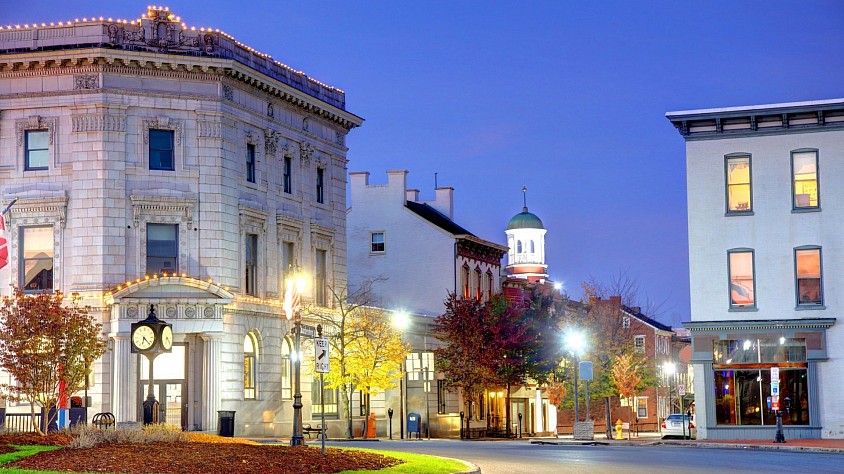
Hanover, Pennsylvania 17331 blends small-town hospitality with a landscape rich in history, parks, and quietly remarkable attractions. At its center, a compact downtown radiates out toward rolling farmland and wooded ridgelines. Within a short drive, visitors can wander historic corridors, taste the region’s snack-making legacy, stroll trails along shimmering waters, and slip into arts venues that surprise with their intimacy. The following guide explores places worth finding and selecting for a day or weekend, with a focus on immersion, detail, and a sense of place.
Historic Streets and Storied Corners
Stroll the Hanover Square, where heritage-era façades frame a lively crossroads. Here, architectural silhouettes tell stories—brick cornices, grand arched windows, and timeworn details that whisper of craft traditions. Just a few blocks away, the Warehime-Myers Mansion offers a lens into local lineage. Its rooms, curated with period décor, impart a tangible feel for Hanover’s evolution from a trade hub to a modern community with enduring roots. For deeper context, the Hanover Area Historical Society curates exhibits that trace mills, market days, and the rise of regional industries, transforming seemingly simple artifacts into narrative anchors. Nearby, the Hanover Trolley Trail recasts transportation history as recreation. The path, where streetcars once clattered, now invites walkers and cyclists to pace their day to the rustle of leaves and the crunch of gravel. Along the way, interpretive signage and unexpected vistas turn a short outing into a layered experience—history expressed through motion. Each stop here complements the next, and the town’s eras begin to feel sequential rather than distant.
Parks, Water, and Open-Air Leisure
When the weather beckons, Codorus State Park unfurls a spectrum of activity around a broad lake tucked into the Pigeon Hills. Shaded coves and open shorelines invite paddlers and anglers, while hillside trails weave between rock outcrops and patches of wildflowers. In the early morning, a steady hush settles over the water, broken only by the faint dip of oars and the call of birds along the edges. The park’s day-use areas make it easy to blend quiet time with family-friendly outings, and sunset casts a painterly glow that rewards unhurried visits. Closer to town, Long Arm Reservoir presents a different mood—less dramatic, more contemplative. Gentle paths skirt the water’s edge, where anglers set up with ritual precision and photographers wait for the light to shift. The Hanover Trolley Trail interlinks with neighborhood streets, encouraging a choose-your-own-route approach that works as well for a brisk jog as for an afternoon ramble. For families, Hickory Falls Family Entertainment Center pairs indoor amusements with outdoor play, a reliable fallback when the weather turns.
Flavor Trail and Food Heritage
Hanover’s culinary identity rests on crisp, salty, and satisfying traditions. At the Utz factory experience, glass-walled galleries and displays reveal how simple ingredients transform into iconic snacks. Over at the Snyder’s of Hanover experience, the adorably knotted pretzel takes center stage—mixing, shaping, and baking shown with workmanlike pride. Around town, small bakeries, corner diners, and seasonal markets bring the region’s agricultural backbone to the plate. Apple-rich pastries, farm-stand produce, and hearty midday meals capture the taste of south-central Pennsylvania with unpretentious flair. The Markets at Hanover bundle these pleasures together beneath one roof. Local vendors showcase charcuterie, kettle-cooked specialties, and imaginative twists on familiar fare. This blend of heritage and contemporary craft gives the town culinary breadth, from quick bites to lingering tastings. For a scenic complement, drive the backroads toward New Oxford and Abbottstown, where antique shops mingle with cafés, and roadside stands sell just-harvested fruit when in season.
Arts, Performance, and Community Rhythm
The Eichelberger Performing Arts Center anchors the cultural calendar with concerts, theater events, and community showcases. The intimacy of its stage encourages a direct connection between performers and audience, making even modest productions feel experiential. Galleries near Center Square rotate exhibits that elevate regional artists—watercolors of farm valleys, urban sketches of brick alleys, and experimental pieces shaped by reclaimed materials. This arts ecosystem fosters conversations that extend onto sidewalks and into coffee shops, where programs and posters serve as invitations to explore. Public art punctuates unexpected corners: a mural capturing local milestones here, a sculptural tribute there. These installations function as landmarks and conversation starters, nudging visitors to notice textures and patterns they might have missed. When paired with a downtown walking tour, they knit together past, present, and the town’s creative pulse.
Day Trips and Regional Heritage
A short drive west brings the solemn fields of Gettysburg into range, where rolling ridges and stone walls hold stories that continue to resonate. The transition from Hanover’s neighborly cadence to Gettysburg’s reflective hush is striking, and highly complementary. To the south, the Union Mills Homestead across the Maryland line pairs a mill complex with pastoral grounds and a sense of frontier industriousness. Eastward, antique corridors in New Oxford reward patient browsers with heirlooms and curiosities—wooden chests with dovetail joints, ironstone dishware, and lithographs whose edges show the soft wear of decades.
Seasonal Moments and Subtle Joys
Events and pop-up markets bring a festive tempo to the calendar, turning side streets into gathering places. Fall introduces crisp air and orchard scents; winter quiets the parks and makes downtown’s lights glow warmer; spring paints the reservoirs’ edges with soft greens; and summer lengthens evenings, inviting one more lap around the Square. Even on a weekday, Hanover’s routine carries a congenial rhythm—lunch crowds, school teams jogging past, shopkeepers sweeping stoops at daybreak.
Planning Your Visit
Hanover, Pennsylvania 17331 rewards both the meticulous planner and the spontaneous wanderer. Pair a morning trail walk with an afternoon of tasting rooms and galleries. Mix a museum stop with a lakeside picnic. Extend your range into surrounding boroughs, then loop back for a sunset amble and dessert. The town’s scale, access to nature, and depth of heritage create a versatile itinerary—compact enough to navigate comfortably, yet varied enough to feel fresh with each return.
Landmarks and Landscapes around Hanover, Pennsylvania 17331
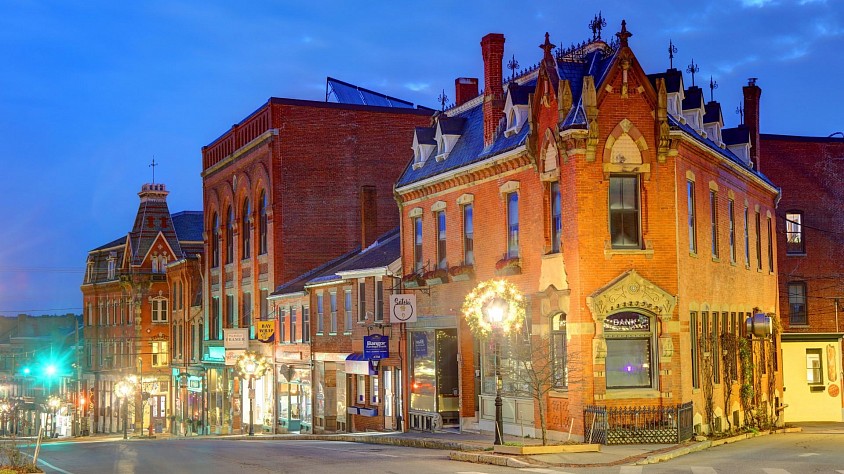
Codorus State Park and Lake Marburg unfurl across rolling hills south of town, a mosaic of coves, pine stands, and breezy overlooks where anglers test the depths for bass and paddlers thread quiet inlets. At daybreak, herons skim the mirrored water while cyclists trace the shoreline. Families favor the picnic groves; birders gravitate to the spillways when migrations turn the sky into a shifting script.
The Warehime-Myers Mansion, curated by the Hanover Area Historical Society, embodies Gilded Age craftsmanship—stained glass shimmering in afternoon light, carved balustrades guiding you upward, and slate roofing lines that echo an era of meticulous artisanship. Inside, period rooms display textiles, portraits, and Hanover’s entrepreneurial lineage, offering a tactile sense of how local industry shaped everyday life.
Utz Factory Outlet Store and the adjacent tour experience celebrate a century-old snack tradition. Through viewing windows, you witness kettle-born batches transit to seasoning drums, a choreography of precision. The outlet tempts with regional flavors and limited batches, while interpretive displays decode sourcing, quality control, and the logistics that keep shelves stocked across the Mid-Atlantic.
Snyder’s of Hanover adds a different crunch to the local story. Beyond familiar pretzels, the campus represents the town’s capacity for innovation—from dough fermentation science to packaging designed for freshness and minimal waste. Visiting both facilities in a single afternoon underscores how Hanover’s workforce transformed simple ingredients into nationally known staples.
Guthrie Memorial Library serves as a civic anchor. Its airy atrium hosts author talks, genealogy workshops, and children’s story hours that weave newcomers into the community fabric. Local history collections, from Sanborn maps to mill ledgers, let researchers trace street grids, property lines, and the evolution of neighborhoods from trolley days to commuter corridors.
The Hanover Trolley Trail repurposes a historic rail bed into a linear park. Joggers, strollers, and cyclists roll past hedgerows and fields where whistle-stops once stitched together boroughs. Look for metal truss remnants and interpretive plaques that decode switchyards and depots—quiet landmarks that once powered freight and foot traffic alike.
Codorus Creek greenways, braided through town, invite reflective walking. After summer thunderstorms, the banks carry the scent of river birch and sycamore. Anglers line shadowed eddies, while bridges frame long perspectives of Main Street storefronts—brickwork, cornices, and dormers that catalogue a century of changing tastes and technologies.
Hanover’s mural corridor turns brick canvases into storytelling. Artists depict orchard harvests, vintage trolleys, and assembly lines, giving passersby a visual index of trades and triumphs. In late afternoon, colors saturate and details—rivets, flourishes, and hand-lettered scripts—appear to float above the plaster, rewarding a slow stroll with unexpected nuance.
A short drive west opens the solemn expanses of Gettysburg National Military Park. Sunlit fields and ridgelines read like a palimpsest of American memory, from Devils Den to Little Round Top. Ranger talks and credible markers lend clarity, while the changing seasons—goldenrod in fall, dogwoods in spring—soften the gravity without diminishing it.
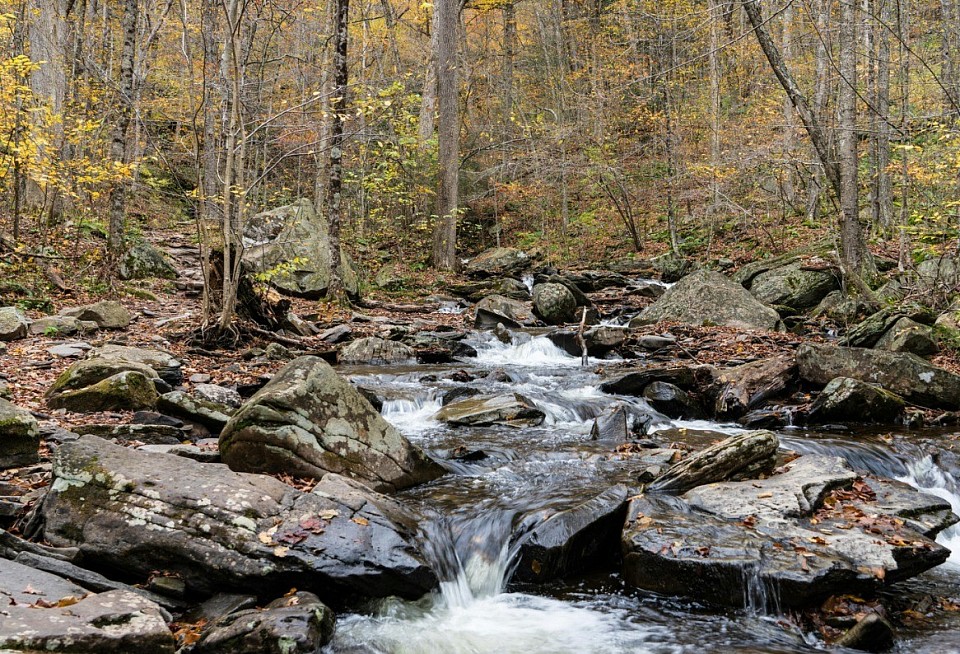
Landmarks and Landscapes Around Hanover, Pennsylvania 17331
• Hanover sits at the seam of rolling Piedmont hills and rich agrarian flats, a crossroads town whose streets unfurl toward orchards, lakes, and Civil War memoryscapes. Within a short drive from Black Rock Road, day-trippers find a varied constellation of attractions—outdoor escapes, working factories turned showcases, and carefully preserved historic sites—each revealing a distinct layer of south-central Pennsylvania’s character.
• Codorus State Park frames the region’s outdoor identity. Centered on Lake Marburg, the park blends breezy, open water with quiet coves that favor paddlers and anglers alike. Dawn launches promise largemouth bass by submerged timber; midday brings sailboats etching bright tracks across the reservoir. Well-marked trails thread through oak and hickory, and in winter, migrating waterfowl create a moving field guide. For families, picnic groves near swimming areas offer an easy base camp, while birders gravitate toward the deeper coves where loons pause on their seasonal flights.
• The Utz Factory Outlet and Museum reveals Hanover’s snack-food legacy with a behind-the-scenes vantage. Visitors track the humble potato’s journey from wash station to kettle to conveyer, watching quality checks that are almost metronomic in precision. Beyond observation windows, exhibits detail how regional agriculture and rail lines fueled a century of food innovation. The outlet’s shelves round out the visit with limited-batch flavors and heritage packaging, a tangible nod to the town’s enduring knack for craftsmanship.
• The Hanover Trolley Trail maps a quiet corridor where industry once clanged and hummed. Today, walkers and cyclists follow the former interurban line through meadows, hedgerows, and shaded creek crossings. Interpreted panels describe how the trolley stitched together neighborhoods and factories, shortening commutes and reshaping daily life. A late-afternoon ride captures long, amber light and the faint resin scent that rises from old ties embedded along certain segments.
• Culture takes center stage at the Eichelberger Performing Arts Center, where a historic school complex now hosts recitals, touring acts, and community theater. The building’s masonry and arched windows set a dignified tone, while intimate acoustics reward careful listening—jazz trios, chamber strings, and local singer-songwriters each inhabit the space differently. Pre-show strolls around the adjacent blocks reveal Victorian porches, bracketed cornices, and tidy gardens, architectural details that speak to Hanover’s turn-of-the-century prosperity.
• A short hop south, the Union Mills Homestead in Maryland preserves an 18th-century mill complex beside a cool, chattering stream. Millraces and waterwheels illustrate how rural enterprise thrived on ingenuity and hydropower. Docents unpack stories of wartime visits and peacetime enterprise, connecting the mill’s ledger books to broader regional trade. The shaded grounds make for a contemplative ramble, with blacksmithing demonstrations and heirloom gardens punctuating seasonal events.
• East of town, Longarm Reservoir settles into low hills where anglers cast for crappie and kayak wakes trace gentle arcs. Early risers note herons stalking reed edges, while shoreline pull-offs allow photographers to frame mirror-still reflections before the breeze picks up. Nearby backroads weave past dairy farms and cider stands, a pleasant loop for cyclists who appreciate rolling terrain and farm-stand rewards.
• Linking Hanover to Gettysburg’s solemn narrative, the Sachs Covered Bridge offers a red-truss silhouette over Marsh Creek. Footfalls thrum softly on its planks, and the latticework frames riparian views in tidy rhomboids. Interpretive signs connect the crossing to troop movements, but the scene today is tranquil—dragonflies skimming water, sycamore leaves flickering like small coins when the wind turns.
• The Markets at Hanover gathers regional growers, butchers, and bakers under one roof. Seasonal produce piles beside smokehouse specialties; coffee roasters waft bright citrus notes one stall over from fudge makers. It’s an efficient, flavorful stop where travelers can assemble picnic fare bound for lake overlooks or trailheads.
• Black Rock Road itself functions as a practical spine, angling toward Codorus Valley attractions while returning visitors swiftly to Hanover’s services, neighborhoods, and main corridors. Distances are short, yet the experiences span from millstone grit to gallery polish—the region rewards curiosity, one side road at a time.